Practical recommendations from Nick — for your own door, driveway, car, and documents. A few professional tools, used only on property you own or are authorized to protect.
Looking for home security gear recommended by a private investigator? I built this shortlist for a normal house: a video doorbell, lighting for your own driveway, a GPS tracker for a car you own, a hidden camera detector for a hotel or rental you booked, and a few home security gifts worth giving. Every recommendation here is for property you own or are authorized to protect.
As an Amazon Associate I earn from qualifying purchases.
If you buy through the links on this page, I may earn a commission, at no extra cost to you. I only list hardware I would recommend for property you own or are authorized to protect.
Black Friday / Cyber Monday picks
Holiday shipping and travel make this a good week to cover the basics — and these also make practical home security gifts. I do not list prices here because they change; check the current listing on Amazon.
Ring Battery Doorbell 2K (newest model), Speckled White
The first thing I recommend for a typical house. Mount it on your own front door so you can see who is there before you open it, and aim it at your landing — not your neighbor’s yard.
Use this on a porch, side yard, or driveway you control. A clear, weather-resistant camera is how you check your own property when you are not standing there.
Light is still one of the cheapest deterrents I know. A floodlight camera covers a dark corner of your own house so you can see what moved, instead of guessing in the morning.
A compact dash cam in your own vehicle can show an insurer what actually happened after a fender-bender. Check your state’s rules on recording, especially if you also record audio.
These belong on things you own: keys, luggage, a backpack, a wallet. They are not a tool for following a person — do not place one in someone else’s bag or car.
The same principles apply in January as they do this week. Start with access, then documents, then the car.
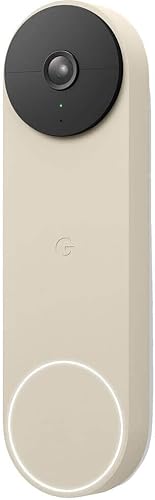
Google Nest Doorbell (Battery), Linen
If your house already runs on Google Home, this is a solid battery doorbell for your own front door. Cover your stoop, and do not point it into a neighbor’s window or yard.
For daily driving I prefer front and rear coverage in your own car. A second camera often settles who changed lanes or who backed into whom. Confirm local rules before you enable audio.
Schlage Encode Smart WiFi Deadbolt, Century Trim, Satin Nickel
Stop hiding a spare key under the mat. A built-in Wi-Fi deadbolt lets you give codes to people you actually want in your house, and it can relock behind you.
The first things to protect are often boring: passports, a will, insurance papers, backup drives. A small fireproof, waterproof safe in a closet you control will outlast a jewelry box on a dresser.
Amazon Basics 8-Sheet High Security Cross-Cut Shredder
Identity theft starts in the trash more often than people think. Cross-cut bank statements, mail, and old cards before they leave your house. Pair this with the safe.
If you need to know where a car or trailer you own actually went, or you want to check a room or vehicle for a transmitting camera or tracker, these are the tools I would start with.
Use only on property you own or have clear authority to monitor. Placing a GPS tracker on someone else’s vehicle can be a crime. Do not use a tracker to follow a person. Bug and camera detectors are for sweeping your own home, office, vehicle, or a space you have a right to occupy, such as a hotel room you booked. Follow state law.
LandAirSea 54 GPS Tracker
A magnetic, waterproof GPS tracker for a vehicle or asset you own. Real-time location and geofencing; a subscription is required. Use it only on your own property.
A 4G LTE tracker in a magnetic case for cars, trailers, or equipment you own, with movement and geofence alerts. Same rule: your vehicle, your asset, not someone else’s.
A compact RF and magnetic-field detector for sweeping a house, hotel room, or your own car. It can find transmitting devices and magnetic mounts; it will not find everything, especially devices that are not broadcasting.
A pocket-size detector with RF, magnetic, and lens-finder modes — useful for a quick sweep of a room or vehicle you control. Treat it as a screening tool, not a guarantee.
A little PI spark: glasses that look ordinary, and cameras that disappear into a clock or a charger — for documenting what happens on property you own or are authorized to watch.
Hidden cameras and camera glasses are for your own property, used lawfully. Do not record audio without the consent required in your state. Never place a camera in a bathroom, locker room, or someone else’s bedroom. Camera glasses should be used with the recording indicator on, and never to capture people in places where they have a reasonable expectation of privacy. Follow federal and state law.
Ray-Ban Meta (Gen 2) Wayfarer, Matte Black, Clear Lenses
Smart glasses with a built-in camera, open-ear audio, and Meta AI — hands-free capture that still looks like ordinary eyewear. Recording laws still apply; leave the indicator on and get consent where required.
YuanFan Hidden Camera Alarm Clock with Wireless Charging
A nanny cam built into an alarm clock with wireless charging. Use it only in a home or office you own or are authorized to monitor — never in a bathroom or someone else’s bedroom.
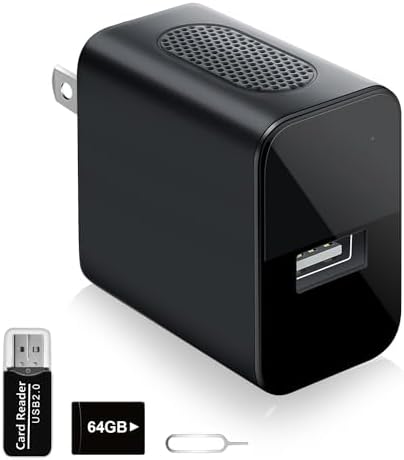
A 1080p camera inside a USB wall charger, with onboard storage. Same legal line: your property, no secret audio where consent is required, and never in the private spaces of others.
Straight answers about GPS trackers, hidden camera detectors, and when it is time to hire a licensed private investigator. This is general information, not legal advice.
What home security gear does a private investigator recommend first?
For a typical house, I start with a video doorbell on your own front door, then light a dark corner of your own yard, and a dash cam in your own car. After the basics — a proper lock, a small safe, and a shredder — you can look at a GPS tracker for a vehicle you own or a hidden camera detector for a room you have a right to occupy. I do not recommend gadgets for watching other people.
Can I put a GPS tracker on a car I own?
In general, a GPS tracker is meant for a vehicle or asset you own, or have clear authority to monitor. Placing a tracker on someone else’s car — including a vehicle you do not own — can be a crime. These listings are not a license to follow a person. This is general information, not legal advice; check the law in your state before you buy or install one.
How do I check my car for a GPS tracker?
Start with a slow visual and tactile search of the places a magnet would stick: under the bumpers and wheel wells, along the frame, inside bumper covers, under the seats, and in the trunk liner. A consumer RF and magnetic-field detector can help you find a transmitting or magnet-mounted device, but it will not find everything, especially a tracker that is not broadcasting. If you want that search done thoroughly, hire a licensed private investigator to sweep the vehicle.
How do I find hidden cameras in an Airbnb or hotel room?
You may check a room you booked. Look closely at smoke detectors, alarm clocks, chargers, power strips, vents, and decorative objects. A flashlight or the lens-finder on a hidden camera detector can reveal a lens reflecting back; an RF mode can help you find a transmitter. Devices that only record internally may not broadcast at all. Do not damage the property. If you find a camera in a bathroom, bedroom, or other private space, leave, document what you saw, and contact the platform and local police.
Is it legal to use a hidden camera in New Jersey?
This is general information, not legal advice. Hidden cameras are often used lawfully on property you own or are authorized to monitor — for example, a nanny cam in your own home — but you generally cannot record in a bathroom, locker room, or any place where someone has a reasonable expectation of privacy. Audio is a separate question: consent rules vary by state, and you should confirm current New Jersey law or ask a licensed attorney before you record sound. When in doubt, do not record audio, and never place a camera in someone else’s private space.
Can I hire someone to check my car or home for bugs?
Yes. If you would rather have a professional sweep than rely on a consumer detector, you can hire a licensed private investigator to check a home, office, or vehicle for GPS trackers, hidden cameras, and bugs. AHM Investigations, LLC (NJSP Lic. #9222) does this work in New Jersey, New York, and Pennsylvania. Call (973) 707-5522 or visit AHM’s site.
About
Written by Nick, a licensed New Jersey private investigator. This site is run by licensed NJ private investigators.
People ask how I would actually secure a house — not a movie set, a normal home. The honest answer is still unglamorous: see who is at your own door before you open it, light the dark corners of your own yard, stop hiding a spare key, document what happens in your own car, and lock up the papers you cannot replace.
The extra tools here — a tracker, a bug sweep, glasses, a discreet camera — are for the same purpose: protecting property you own or are authorized to watch. They are not tools for tracking or recording someone in secret. If you need that kind of work done lawfully, that is an investigation, not a gadget.